
Quick answer: Yes. In Pakistan, you can sue someone for a defamatory post on Facebook, Instagram, TikTok, X, YouTube, Snapchat, or WhatsApp through three routes — a civil defamation suit for damages, a criminal complaint under the Pakistan Penal Code, or a cyber-law complaint under PECA 2016. Which one fits depends on whether you want compensation, a criminal conviction, or both. Key Takeaways Yes, you can sue for a social media post in Pakistan if it's false, identifies you, and...
Read More
Blasphemy laws in Pakistan are among the most sensitive and significant areas of criminal law. These laws are designed to protect religious sanctities, maintain public order, and preserve respect for Islamic values within the legal framework of the country. In recent years, blasphemy-related allegations, social media controversies, and public debates have increased awareness regarding the legal consequences of religious offences in Pakistan. At the same time, discussions regarding procedural safeguards, false accusations, and constitutional protections have also become more prominent....
Read More
Pakistan Has Laws — So Why Are Children Still Unsafe? Every few months, Pakistan witnesses another heartbreaking incident involving the rape, kidnapping, abuse, or murder of a minor child. Public outrage rises for a few days, hashtags trend on social media, and promises of “strict action” are repeated. Yet the cycle continues. This raises an uncomfortable but necessary legal question: If Pakistan already has strict laws against rape, child abuse, kidnapping, and murder, why are these crimes still increasing? The...
Read More
When a property dispute, illegal construction, land grabbing issue, or civil conflict arises, many people in Pakistan immediately ask one question: “How can I stop the other party legally before permanent damage happens?” This is where a stay order becomes important. A stay order is one of the most commonly used legal remedies in Pakistani civil courts. It helps prevent illegal actions until the court decides the matter finally. Whether the dispute involves property, inheritance, possession, demolition, business agreements, or...
Read More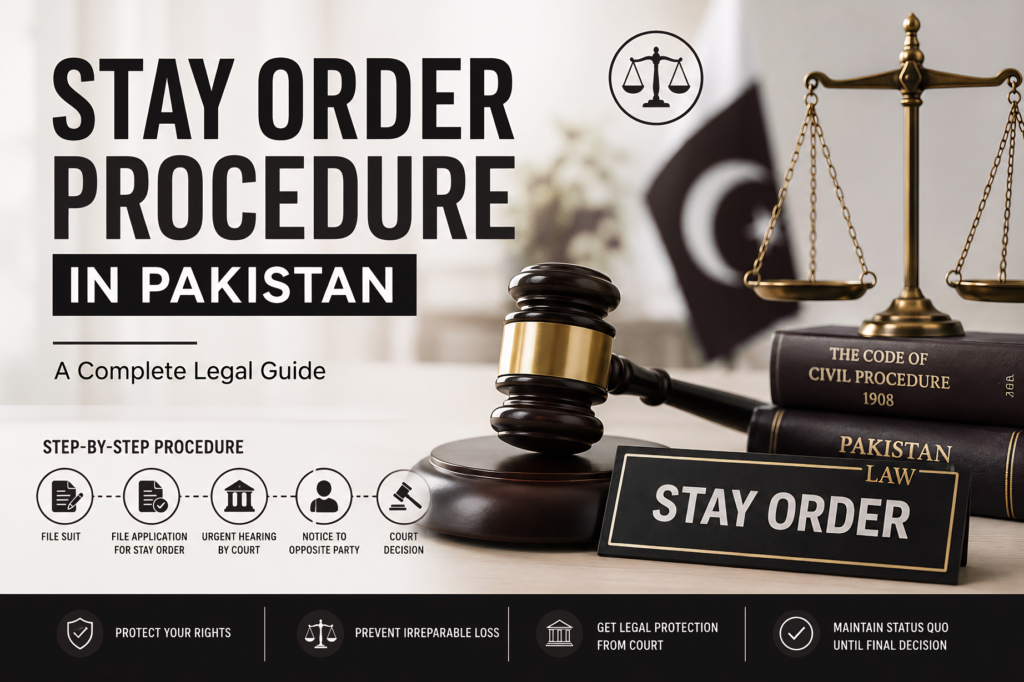
Owning a firearm in Pakistan is often seen as a matter of safety, status, or necessity. But what many people don’t fully understand is that gun ownership is strictly regulated by law, and even a small mistake can lead to serious criminal charges. As legal practitioners, we frequently deal with cases where people unknowingly violate firearm laws—especially around licensing, carrying weapons, and misuse. This guide explains Pakistan’s gun laws in simple terms, so you know your rights, responsibilities, and risks....
Read More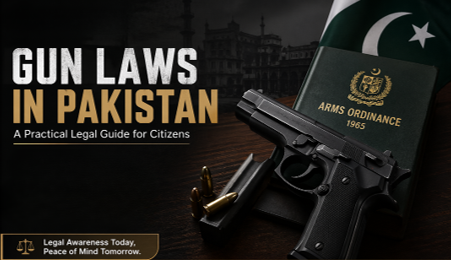
A Complete Step-by-Step Legal Guide 📌 Introduction In Pakistan, the First Information Report (FIR) is the foundation of the criminal justice process. It is the first formal step that triggers a police investigation. However, many individuals face a common challenge: police refusing to register an FIR, even in serious matters. If you are facing this issue, it is important to know that you have clear legal rights and remedies. ⚖️ Is Police Refusal to Register FIR Legal? Under Pakistani law,...
Read More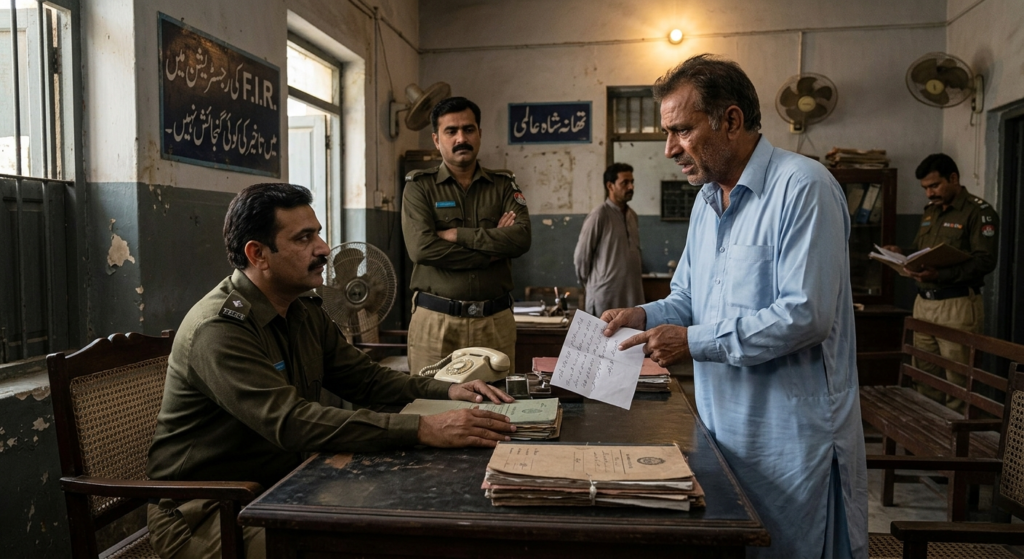
Know Your Rights. File Your Claim. Get the Compensation You Deserve. If you or a family member has been seriously injured in a heavy vehicle accident in Pakistan — hit by a truck, bus, tanker, or overloaded goods carrier — this guide is written for you. Heavy vehicle accident injury claims in Pakistan are among the most under-pursued legal cases in the country, not because the law doesn't offer protection, but because most victims simply don't know their rights...
Read More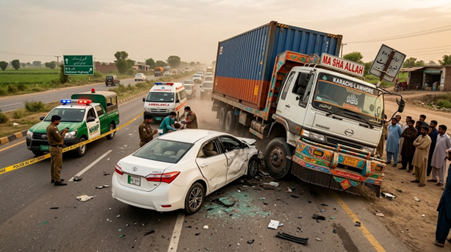
Copyright © 2026 DENNINGS Law Firm. All Rights Reserved.
 Free Consultation